DIGITAL PRINTING
Digital Printing Is Not One Process
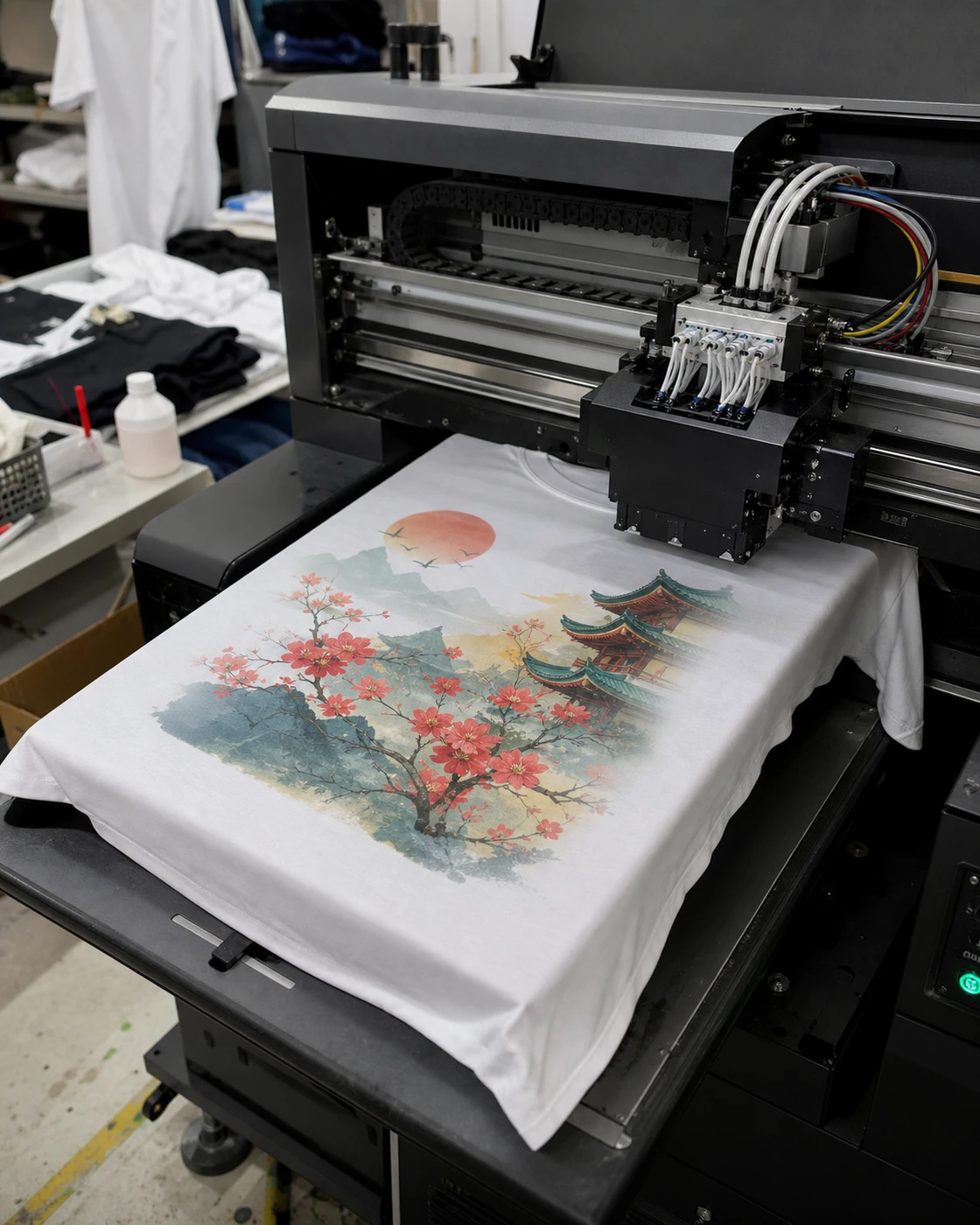
A T-shirt printed after sewing and a dress cut from digitally printed fabric need different inks, preparation and approvals. Start with the fibre, base colour and where printing happens.
QUICK DECISION
When Digital Is Worth Reviewing
Digital is worth comparing when image detail, artwork variation or early sample learning matter.
The print route and the garment order MOQ are different commercial decisions.
Worth Reviewing
Photographic or gradient artwork, several versions, samples and short runs.
Compare Another Route
Stable repeat volume, few solid colours or a substrate that rejects the selected system.
Approve
The actual material, fixed print route and a physical sample after the agreed check.
- Digital decoration can handle fine detail and gradients, while screen printing uses colour-specific setup and is commonly compared for repeat production.
- Direct-on-textile systems are used for short runs and samples, with ink selected for the textile.
- Canton Fashion's usual order MOQ is 100 pieces per style per colour; material or a specific style may change it.
FIRST DECISION
What Are We Printing?
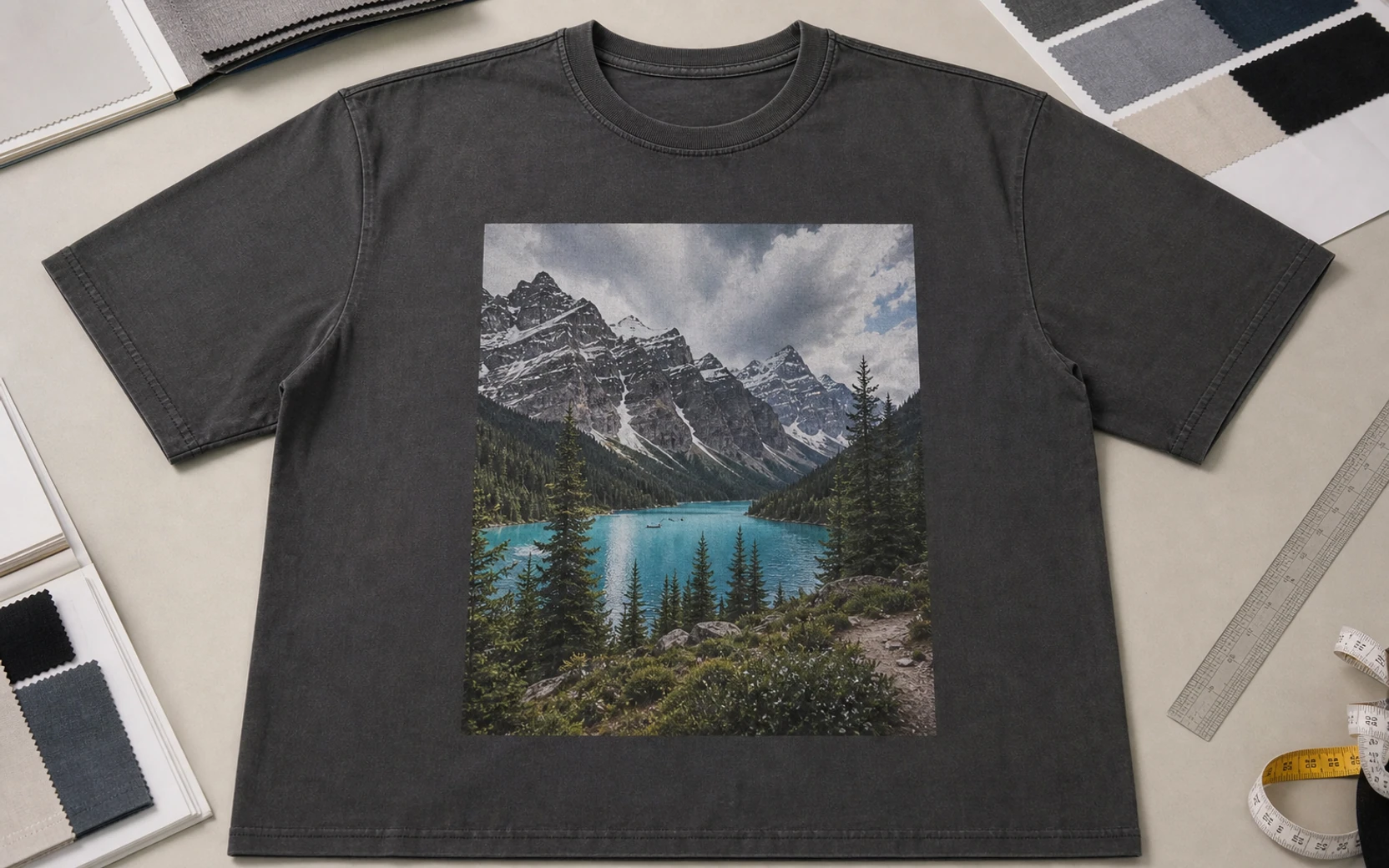
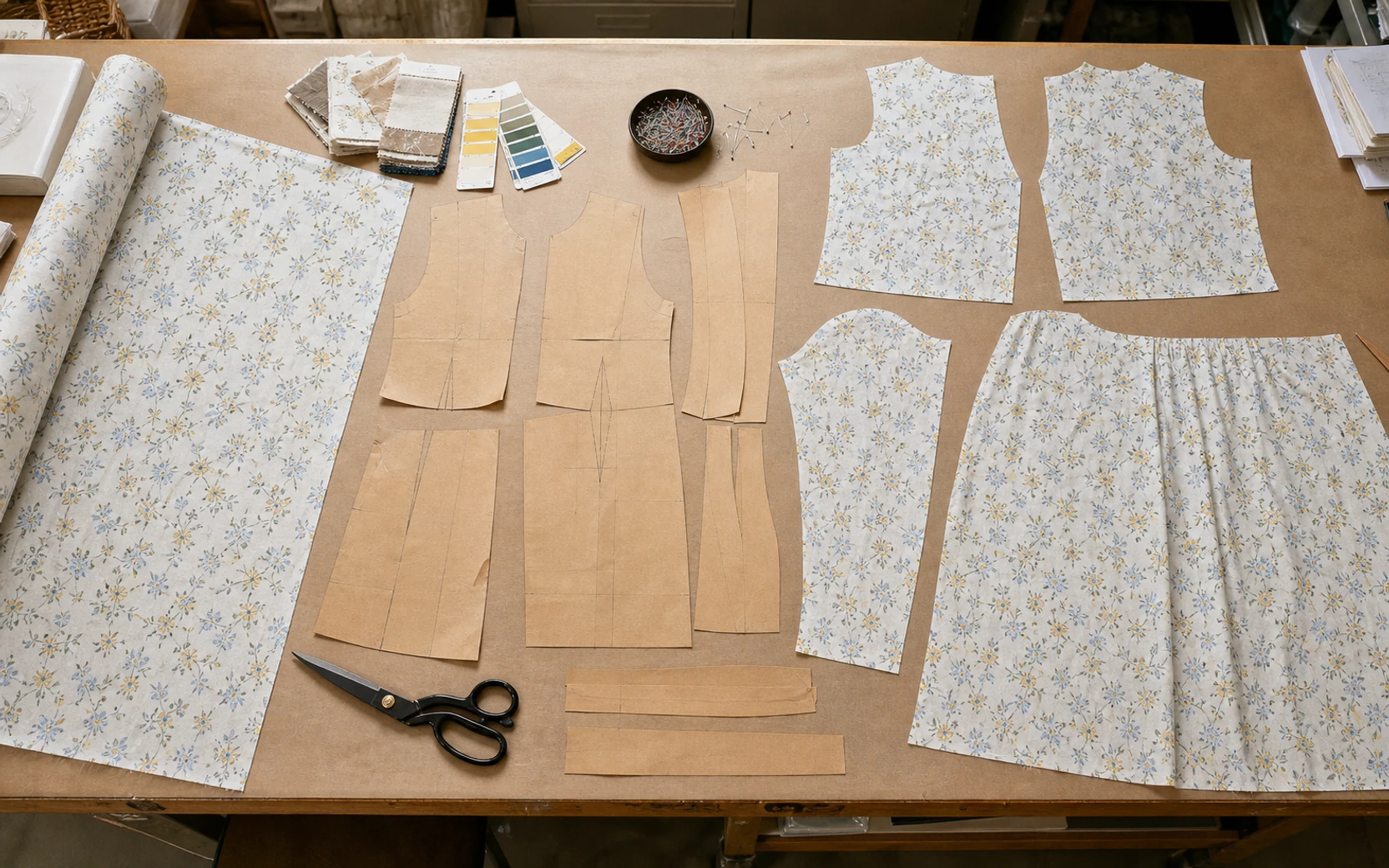
The route changes when printing happens before or after sewing.
Start with the stage, then confirm the fibre and fixation route.
Finished Garment
Use a flat printable area on an already made garment; check seams, pockets, zippers and loading.
Fabric or Panels
Print repeat or engineered artwork before cut and sew; control the textile, feed and panel placement.
- Fabric printing occurs before cutting and sewing, while garment decoration prints a completed garment and must account for existing seams and structure.
THE NAME IS BROAD
Two Decisions Behind the Word Digital
First decide when printing happens. Then decide how the fibre holds and fixes colour.
Direct-to-textile is a stage; sublimation is a polyester dye and heat-fixation route. A direct polyester print can be both.
DTG
Inkjet printing directly onto a finished garment.
Direct to Textile
Inkjet printing onto fabric or panels before sewing.
DTF / Transfer
Prepare a transfer first, then apply it with heat and pressure.
Sublimation
Use a polyester-focused dye and heat-fixation route.
- Garment decoration and fabric printing are different production stages.
- DTF uses specialty film, adhesive powder, curing, heat pressing and film removal.
- Sublimation can use transfer paper or direct printing on pretreated polyester followed by heat fixation.
FIBRE FIRST
The Fabric Chooses the Ink Route
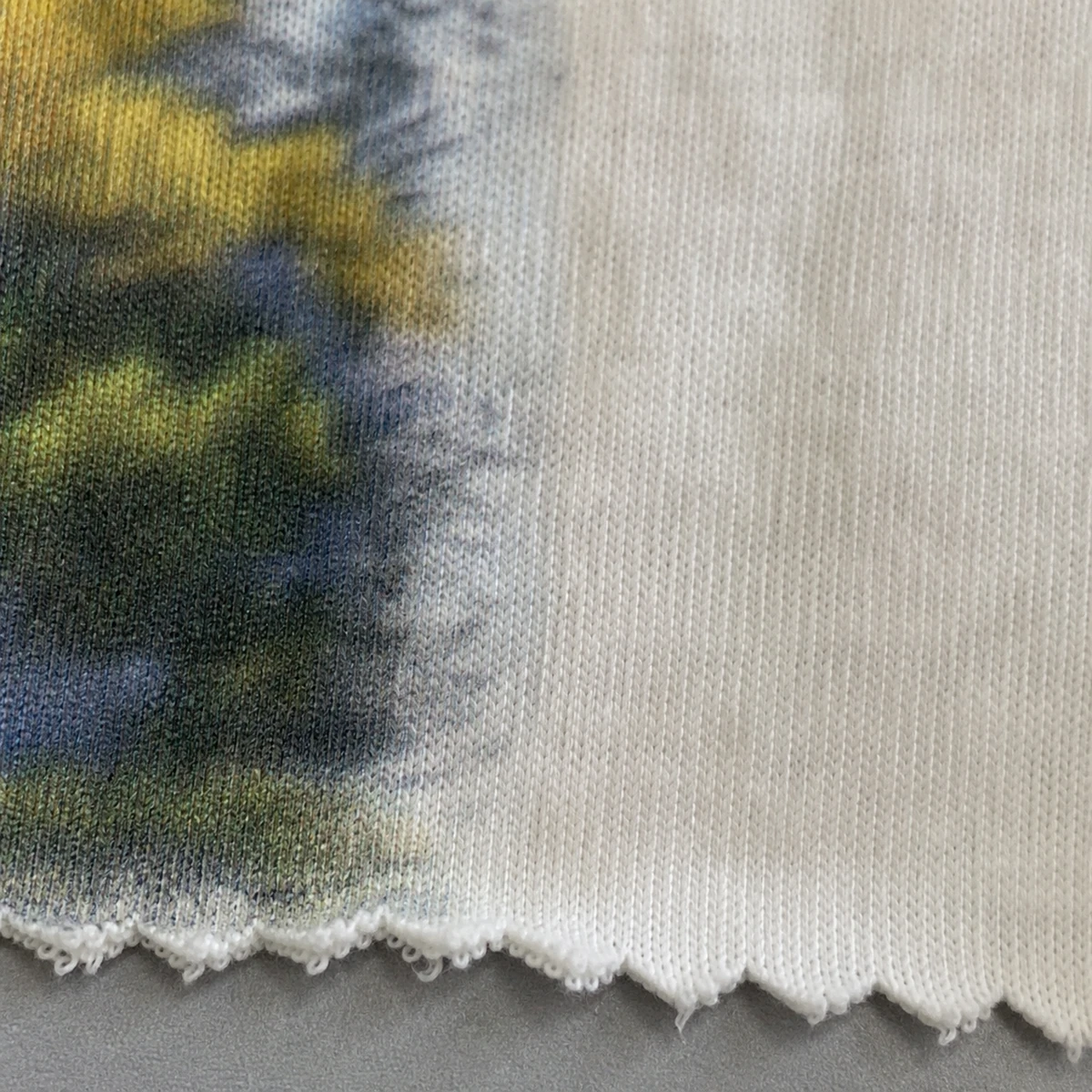
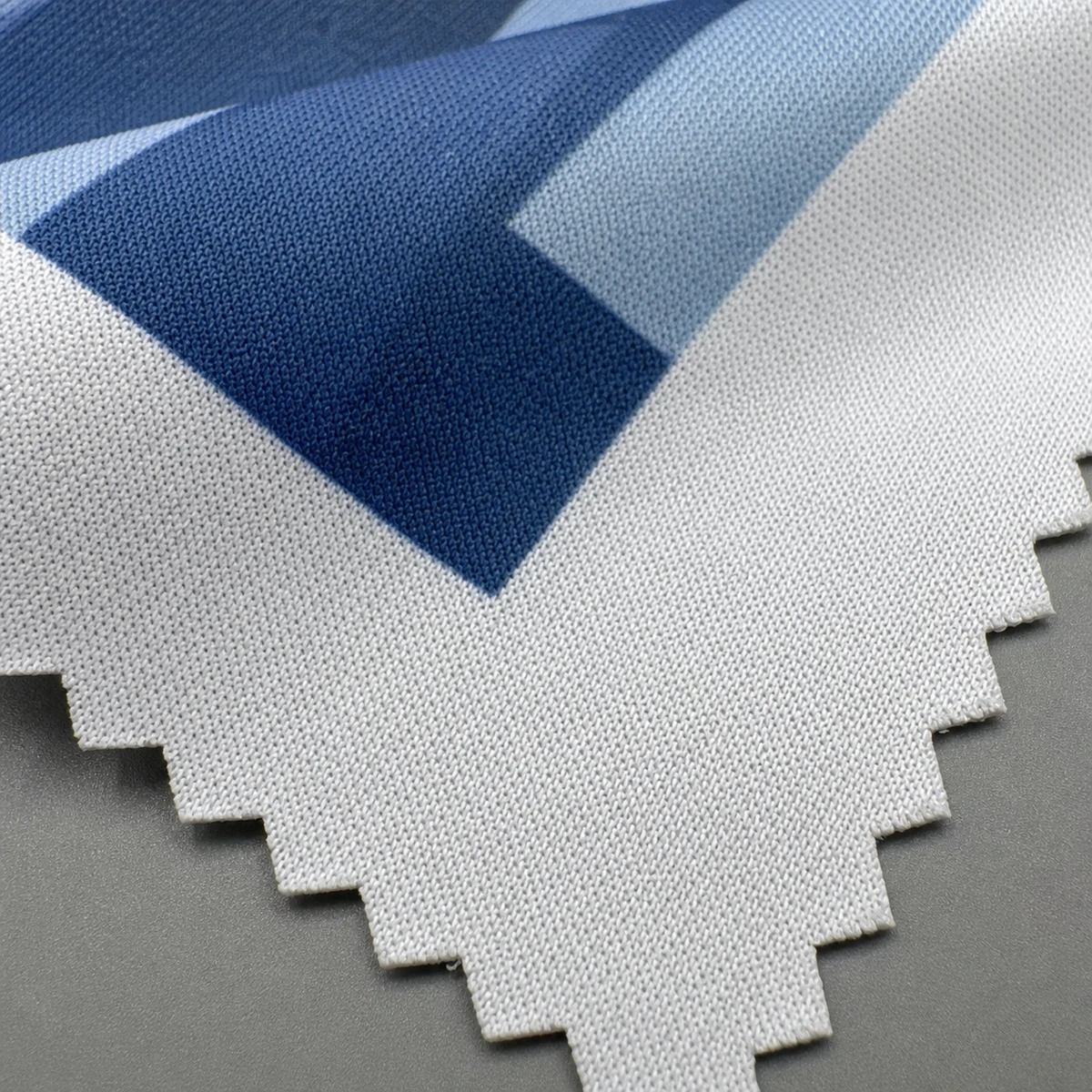
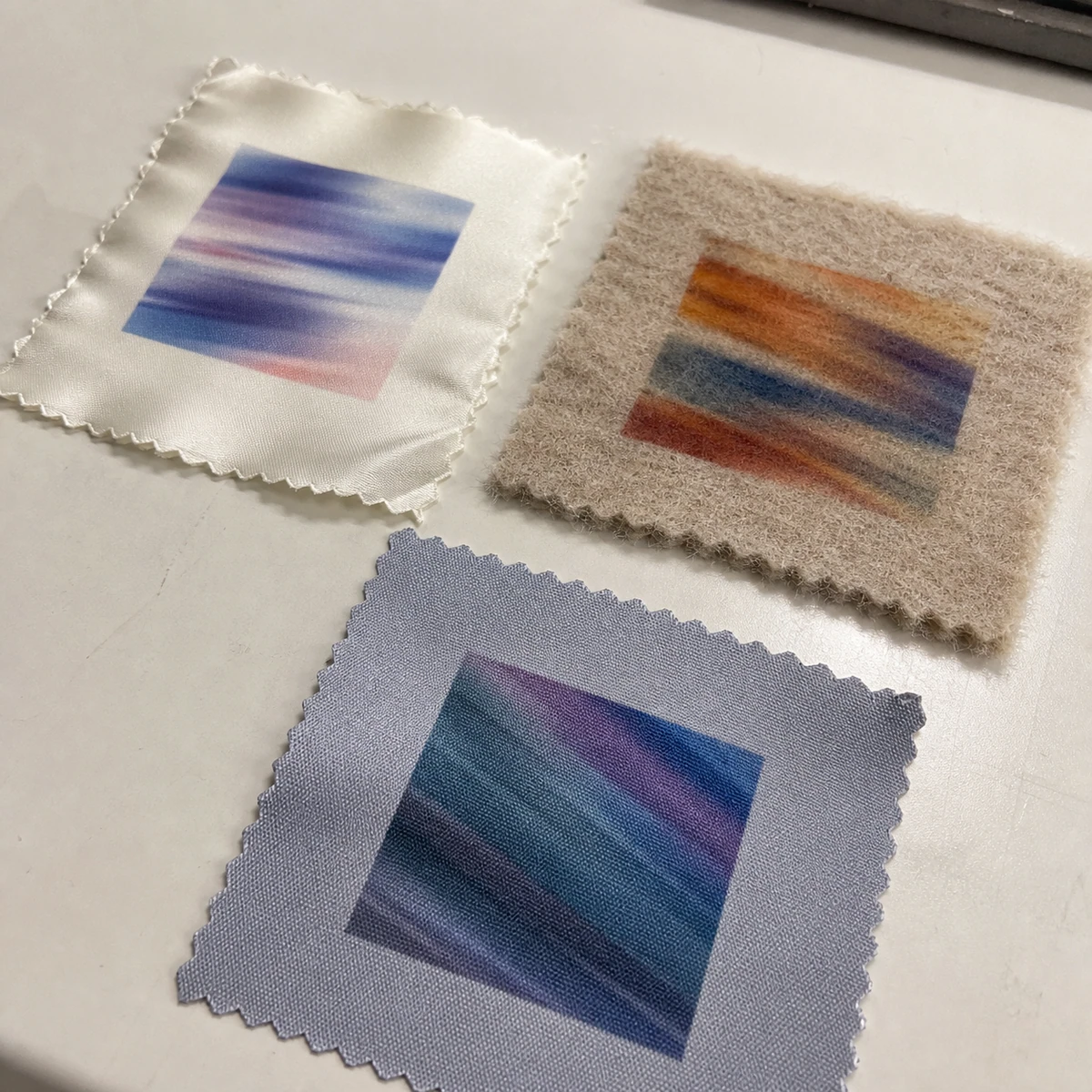
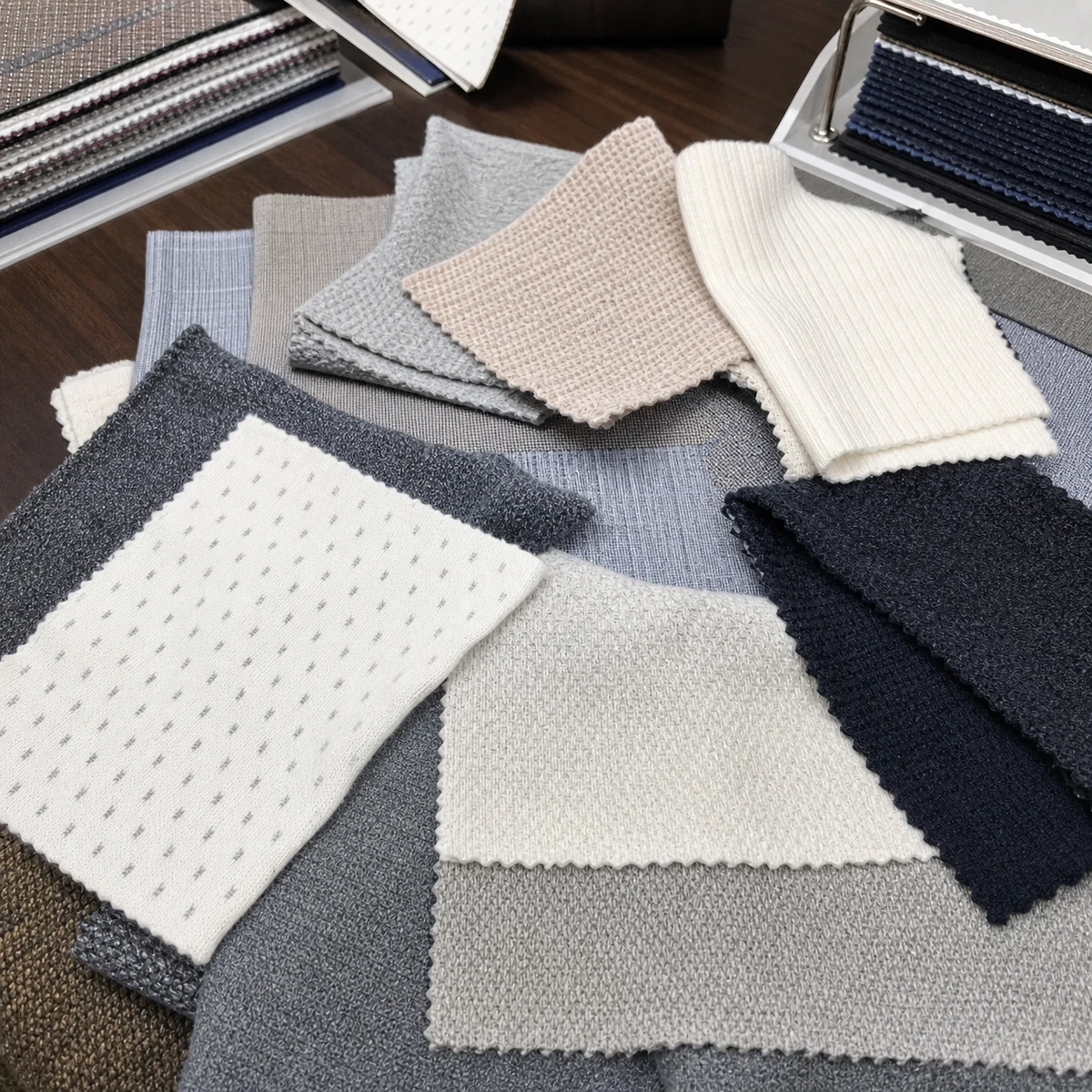
Digital describes how the image is delivered. The fibre still decides how colour is held and fixed.
Use the actual production fabric for every route decision.
Cotton-rich
A common DTG start point, but surface fibres and pretreatment still affect the result.
Polyester
Review the selected polyester route, including sublimation where the chemistry fits.
Silk, Wool, Nylon
Require fibre-specific ink and post-treatment review rather than cotton assumptions.
Blends and Finishes
Test the exact coating, stretch, softener and heat response before approval.
- Ink, textile and treatment must be matched to achieve the intended colour, hand and fastness.
- Textile systems use pigment, reactive, acid, disperse and sublimation routes selected for the textile and post-treatment.
- Direct sublimation is a direct-fabric polyester route that is heat fixed after printing.
DTG ON LIGHT AND DARK BASES
The Layers Change
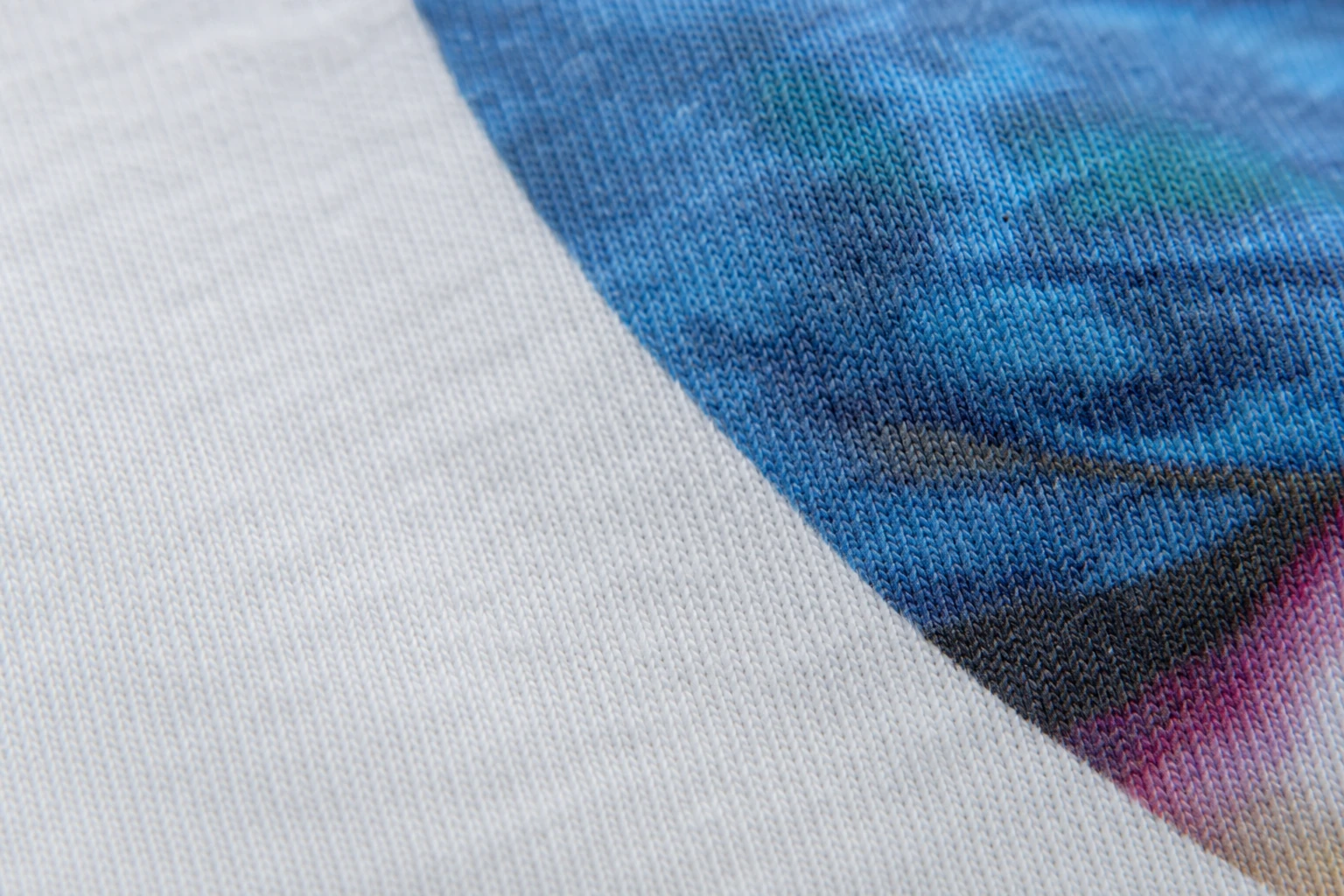
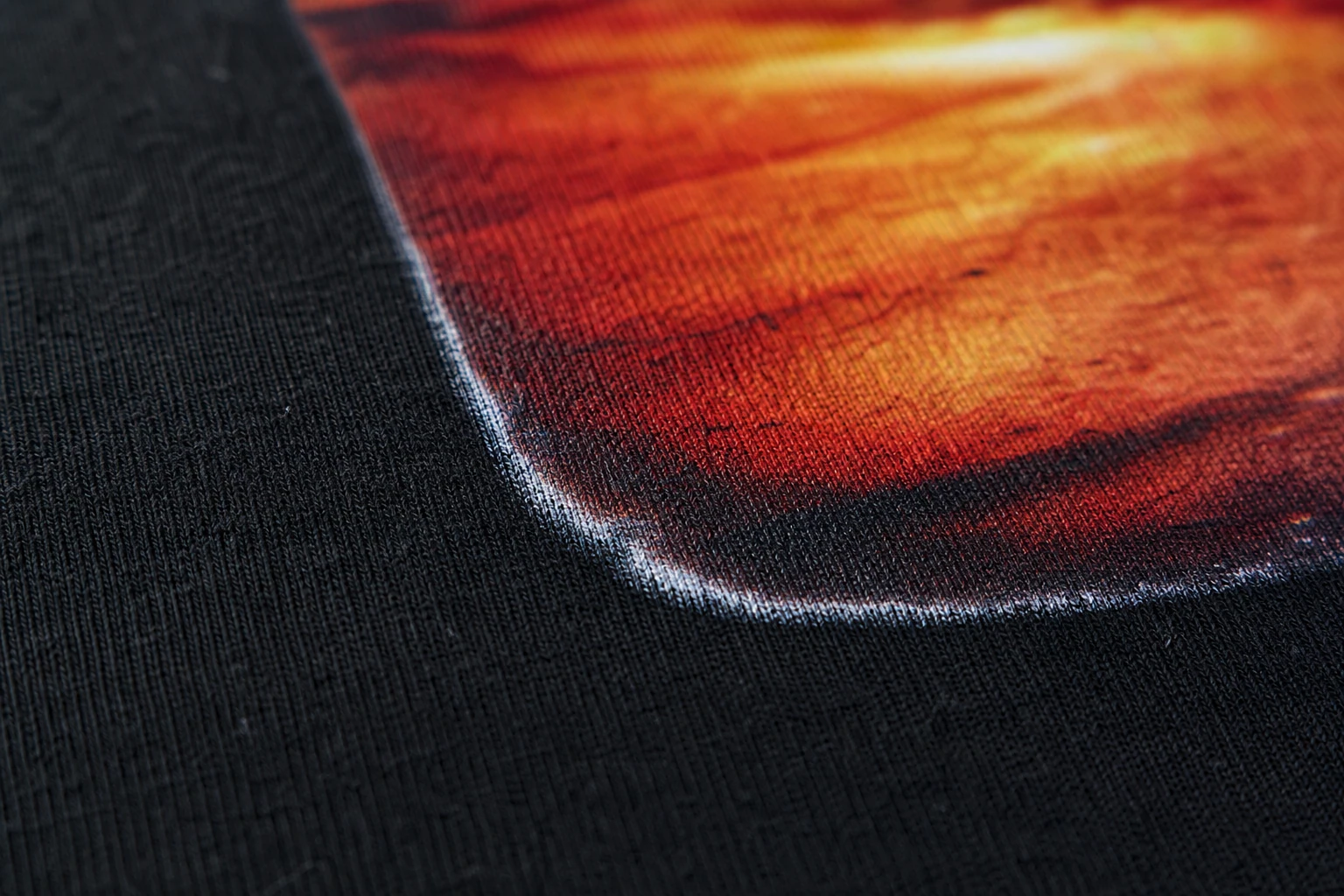
A light garment may use a simpler colour layer. A dark garment often needs a compatible white underbase before colour.
Approve the actual surface after curing, not the layer diagram alone.
Light Base
CMYK relies on the light garment beneath it and can show less visible build.
Dark Base
White underbase, pretreatment and fixation become part of the colour and durability decision.
- White ink on dark garments normally needs compatible pretreatment, and pretreatment consistency affects white coverage and wash response.
TWO PRODUCTION FLOWS
Same File. Different Work.
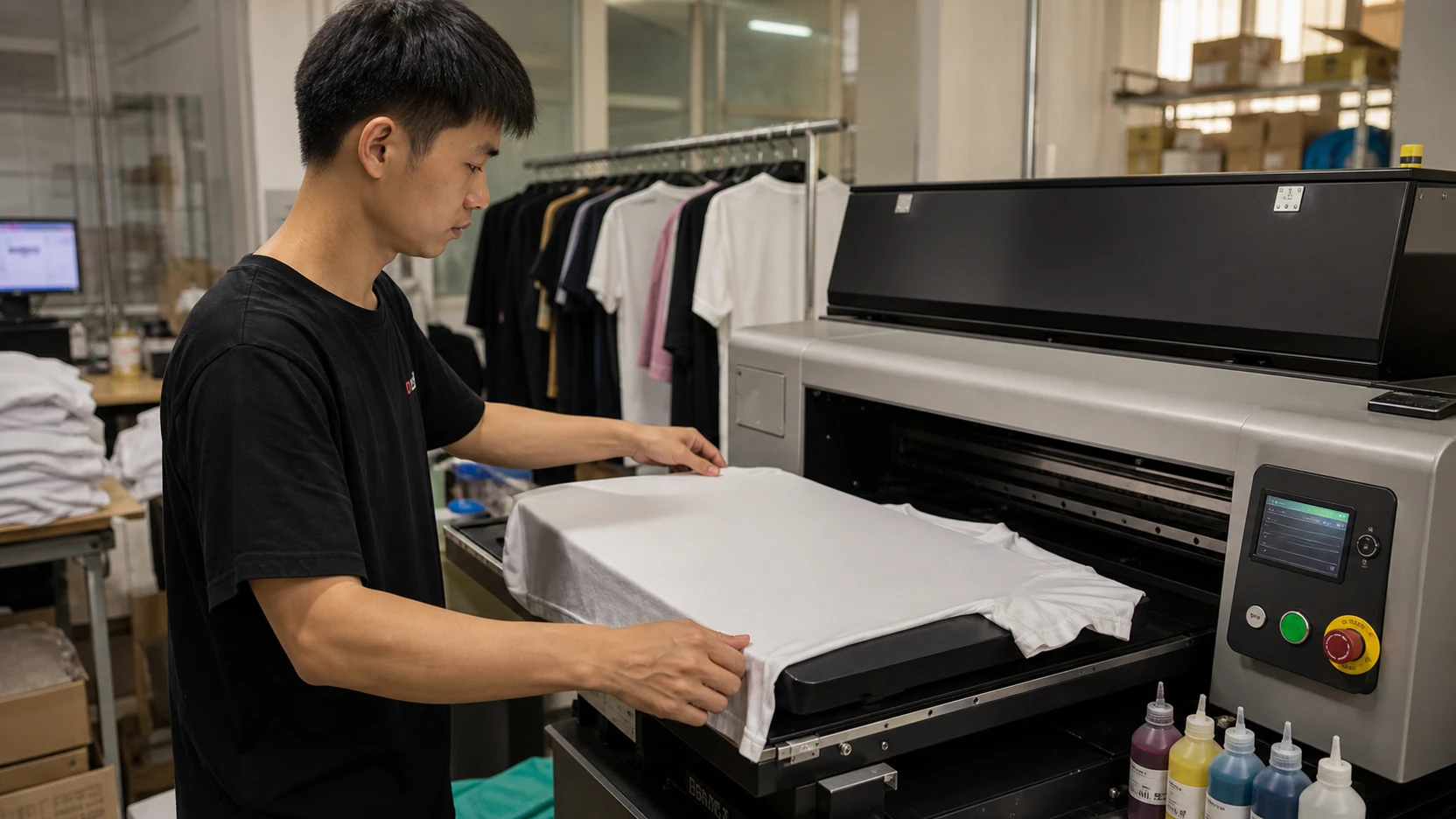
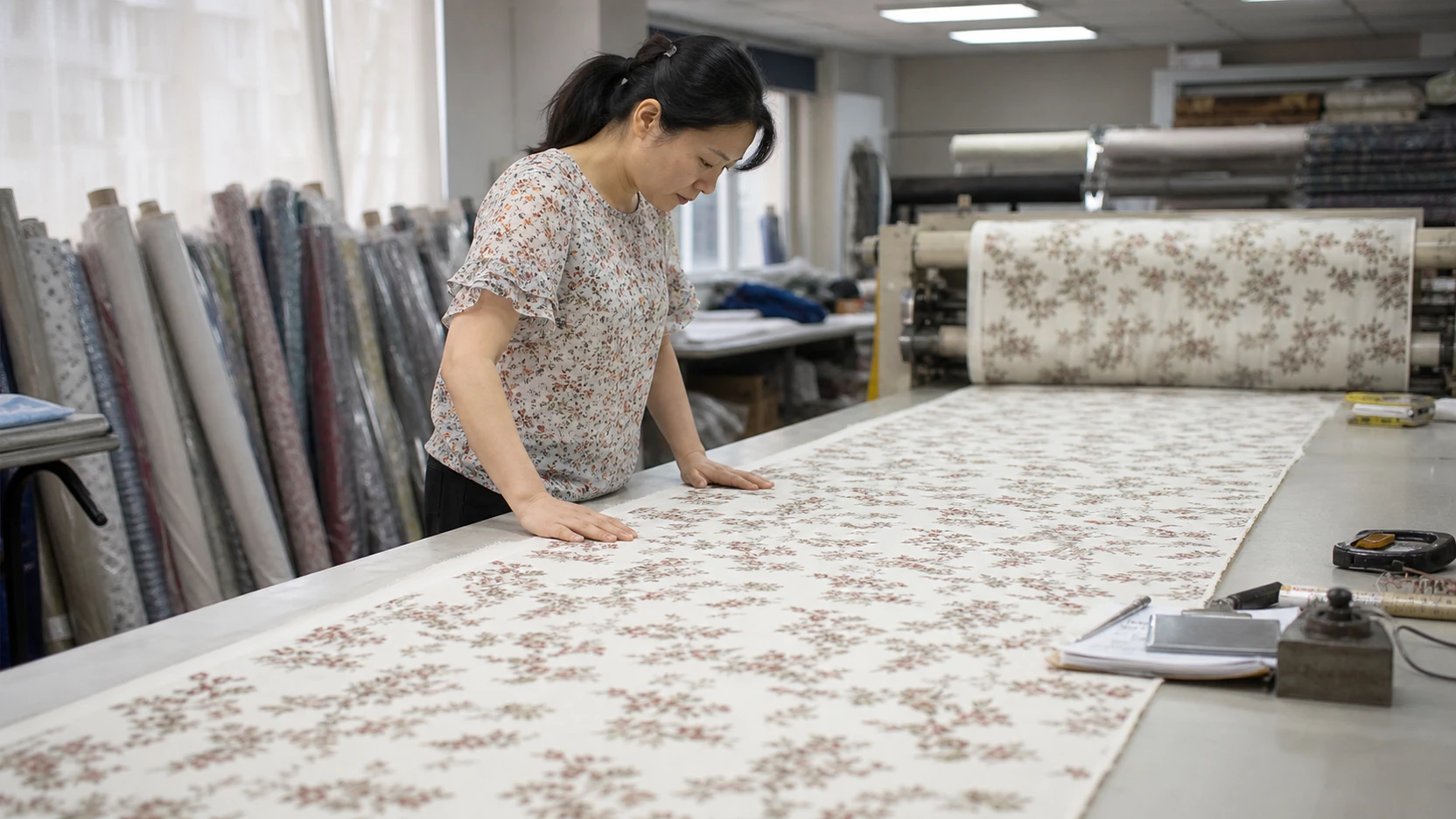
A garment workflow loads an already made piece. A textile workflow prepares, prints and fixes fabric before cut and sew.
The actual ink system defines the final preparation and fixation record.
DTG
Prepare the garment, load it flat, print, cure and inspect placement and appearance.
Fabric / Panels
Prepare the textile, print and fix it, inspect repeat and skew, then release it to cut and sew.
- Epson's DTG flow includes artwork preparation, pretreatment where required, garment loading, printing and fixation.
- Acid, reactive and disperse textile routes include pretreatment, printing, steaming and washing, while pigment uses heat treatment.
- Direct sublimation on polyester is a separate direct-fabric workflow followed by heat colour development and fixation.
WHERE EACH ROUTE APPEARS
Garments Follow the Print Stage
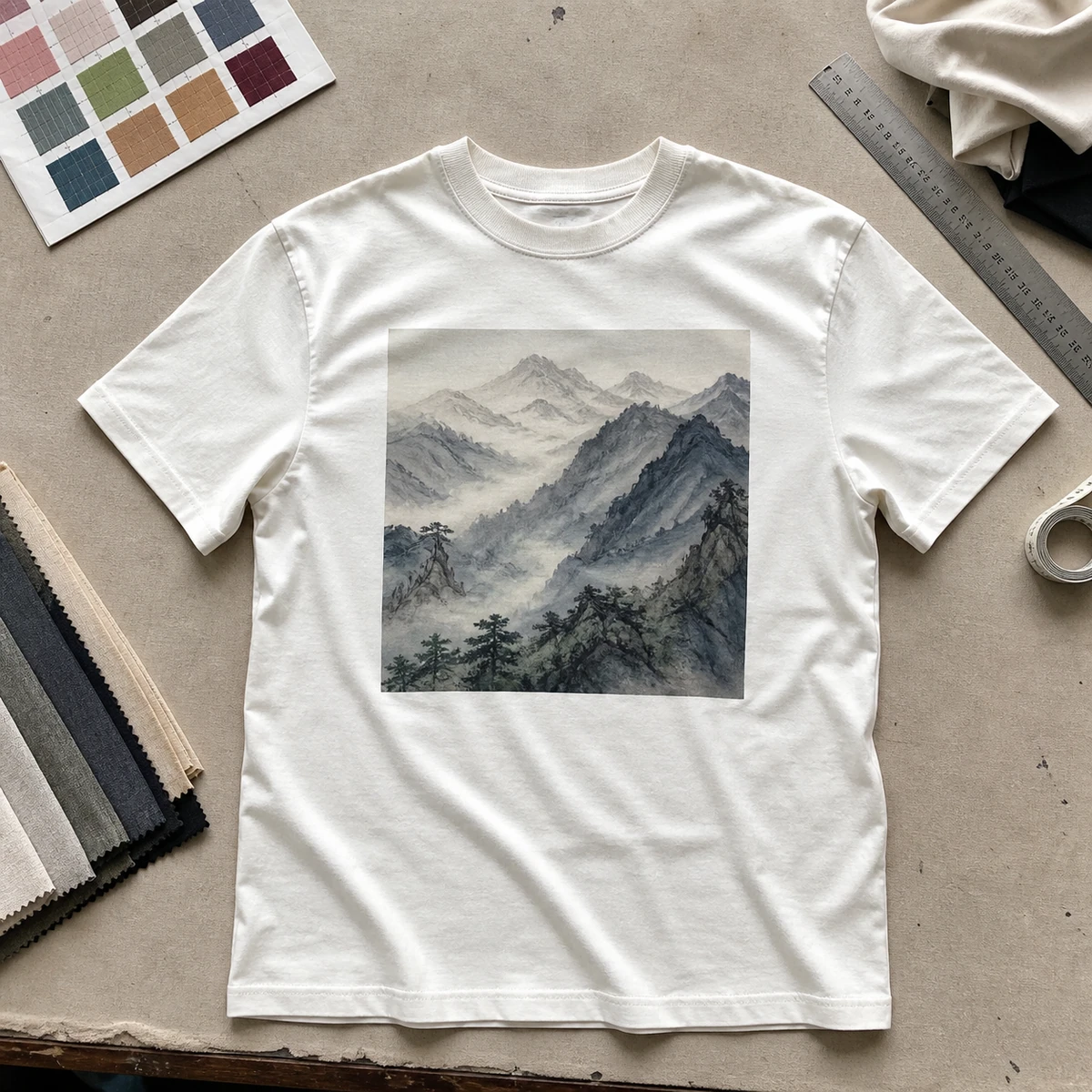
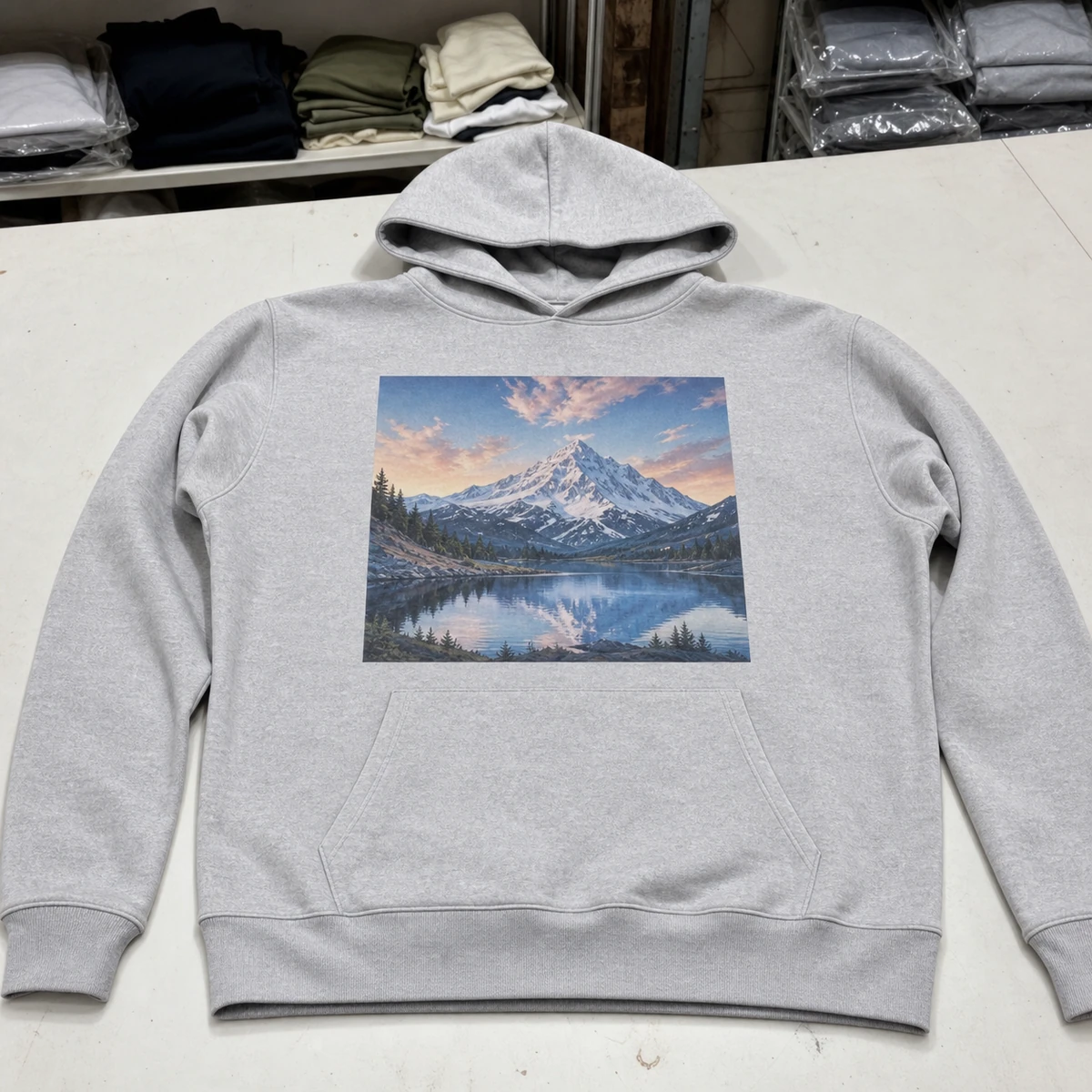
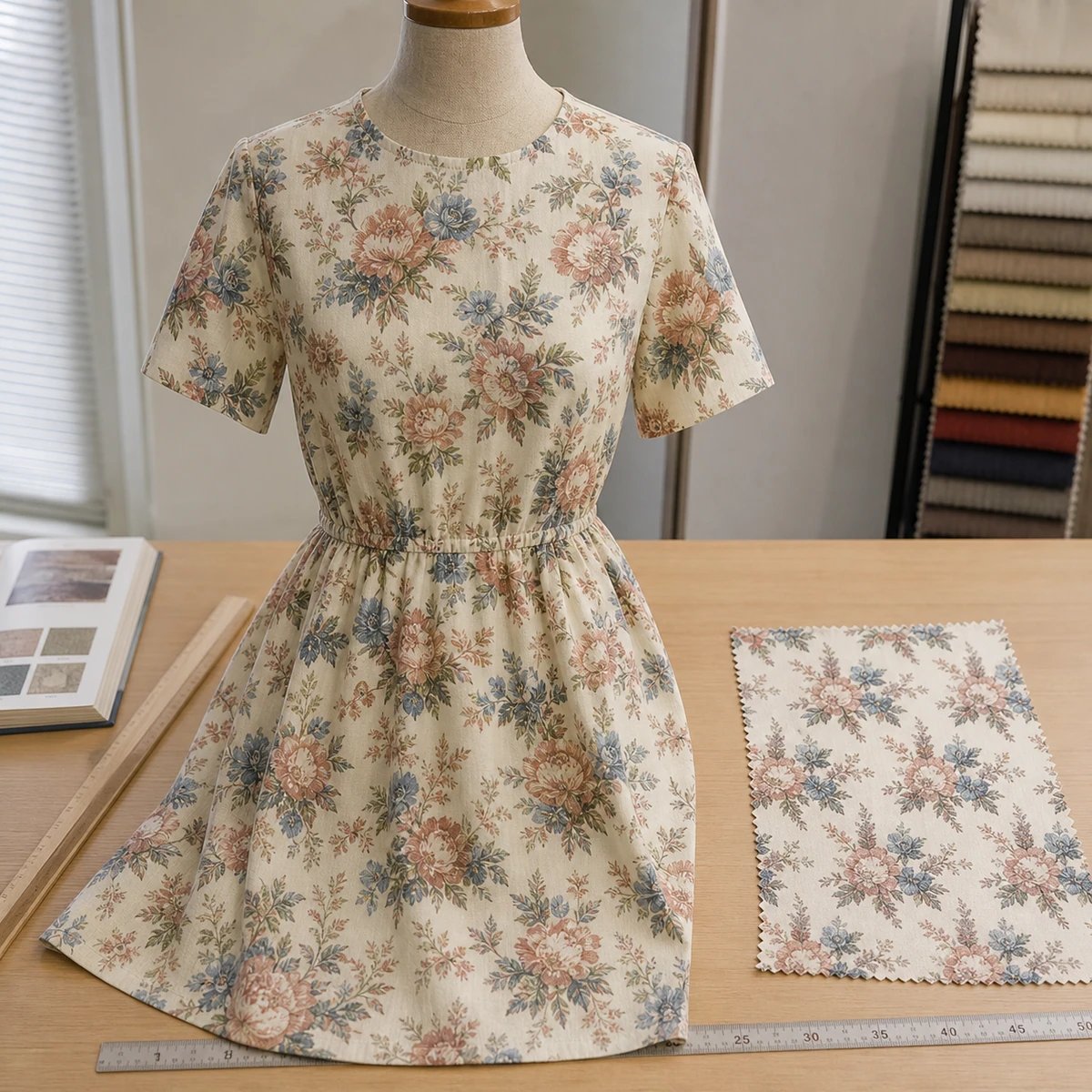
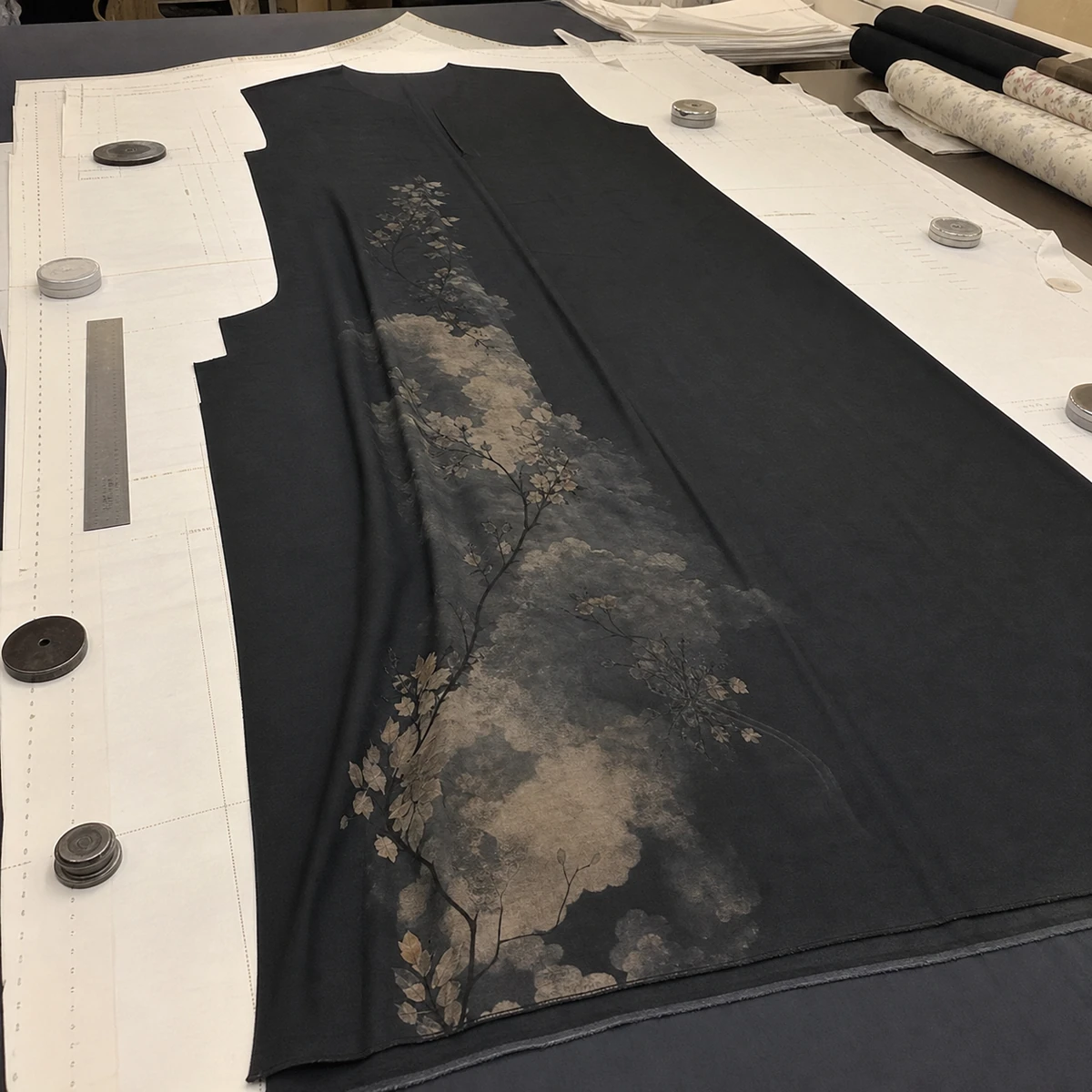
A garment type does not select a process by itself. Its flat area, seams, fabric and artwork do.
Use the product page to continue the construction review.
T-Shirts
A flat chest or back placement can be a DTG starting point after fabric and colour checks.
Hoodies
Plan around the pocket, drawcords, seams and fleece surface.
Dresses
Printed fabric can carry repeat or engineered artwork before the garment is sewn.
Abayas
Panel position and drape need to be checked before fabric is cut.
- Finished garments must be printed around existing seams, while fabric printing happens before cutting and sewing.
BUYER FILES
A Screenshot Is Not a Production File
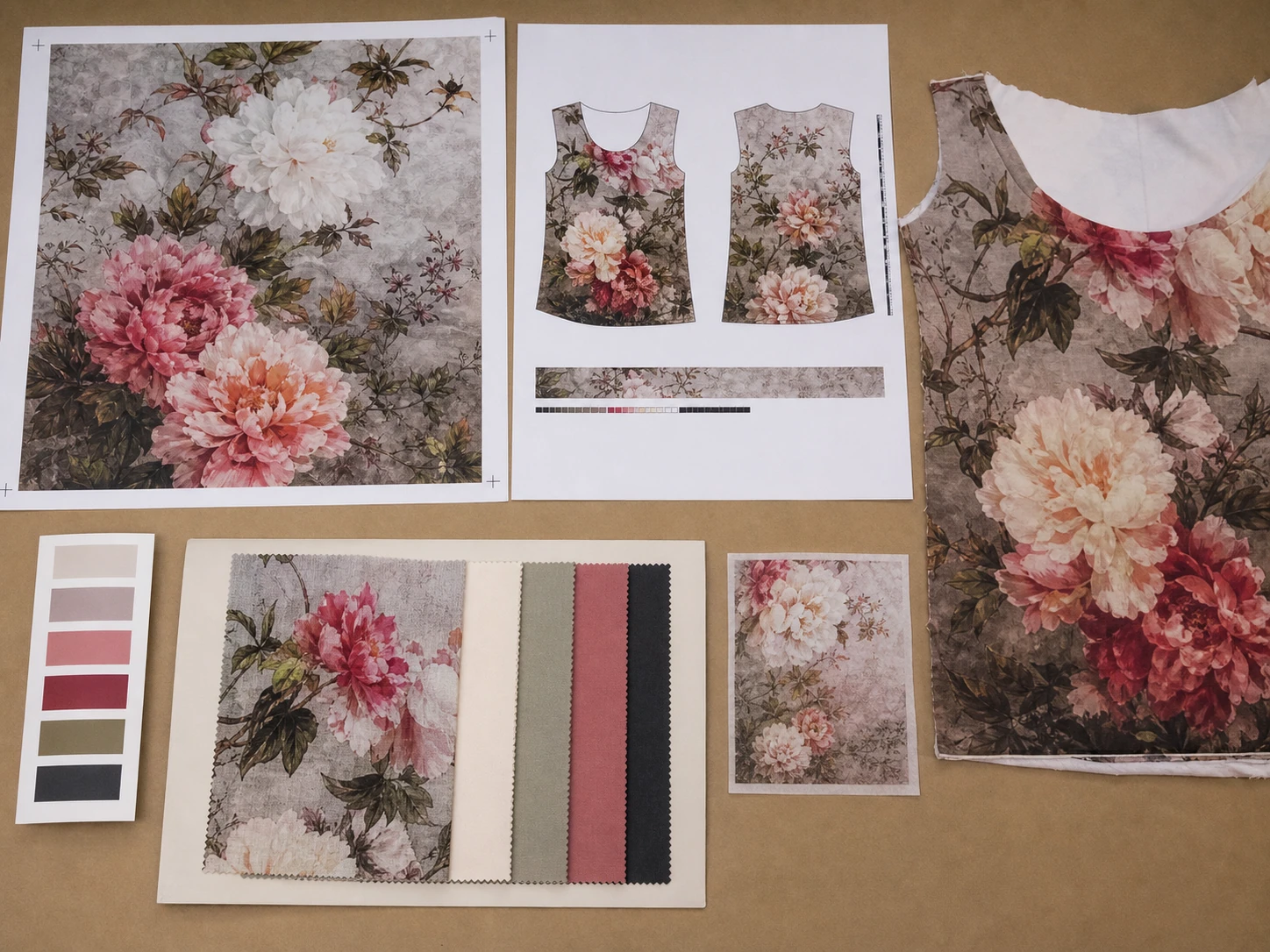
Send the original artwork at the intended print size, then add the material, base colour, placement and quantity.
We confirm the production file for the selected printer and substrate.
Artwork
Original high-resolution or editable file, final dimensions and colour reference.
Garment
Product, fibre, GSM, base colour, finish and measured placement.
Commercial Context
Quantity by design and colour, delivery country, target date and test requirement.
- Epson garment workflows use production image files and recommend sRGB as a starting file-colour setting.
- Image clarity can be affected by fibre surface and the relationship between image resolution and final size.
WHAT CHANGES THE RESULT
Hand Feel and Durability Are Built Together
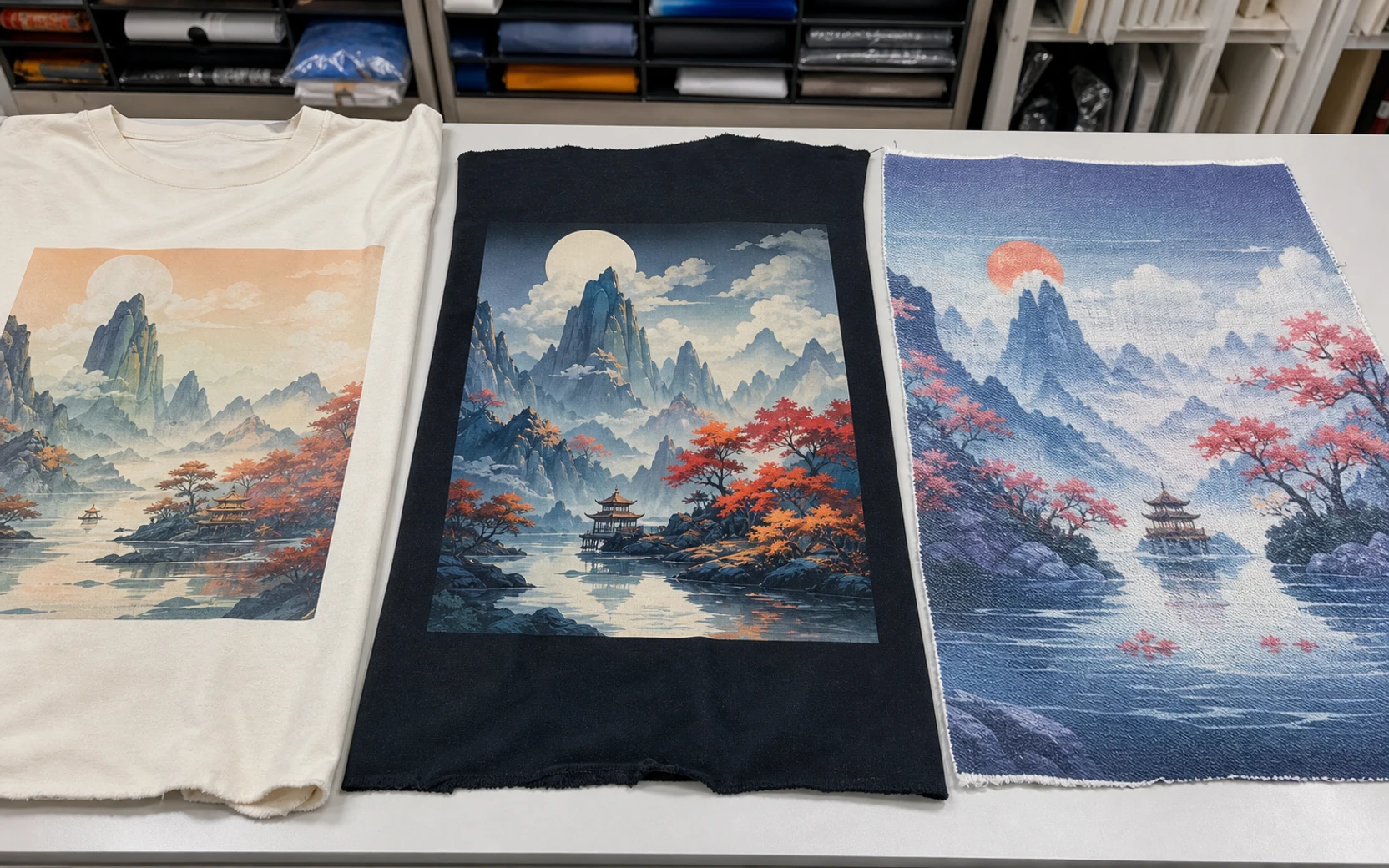
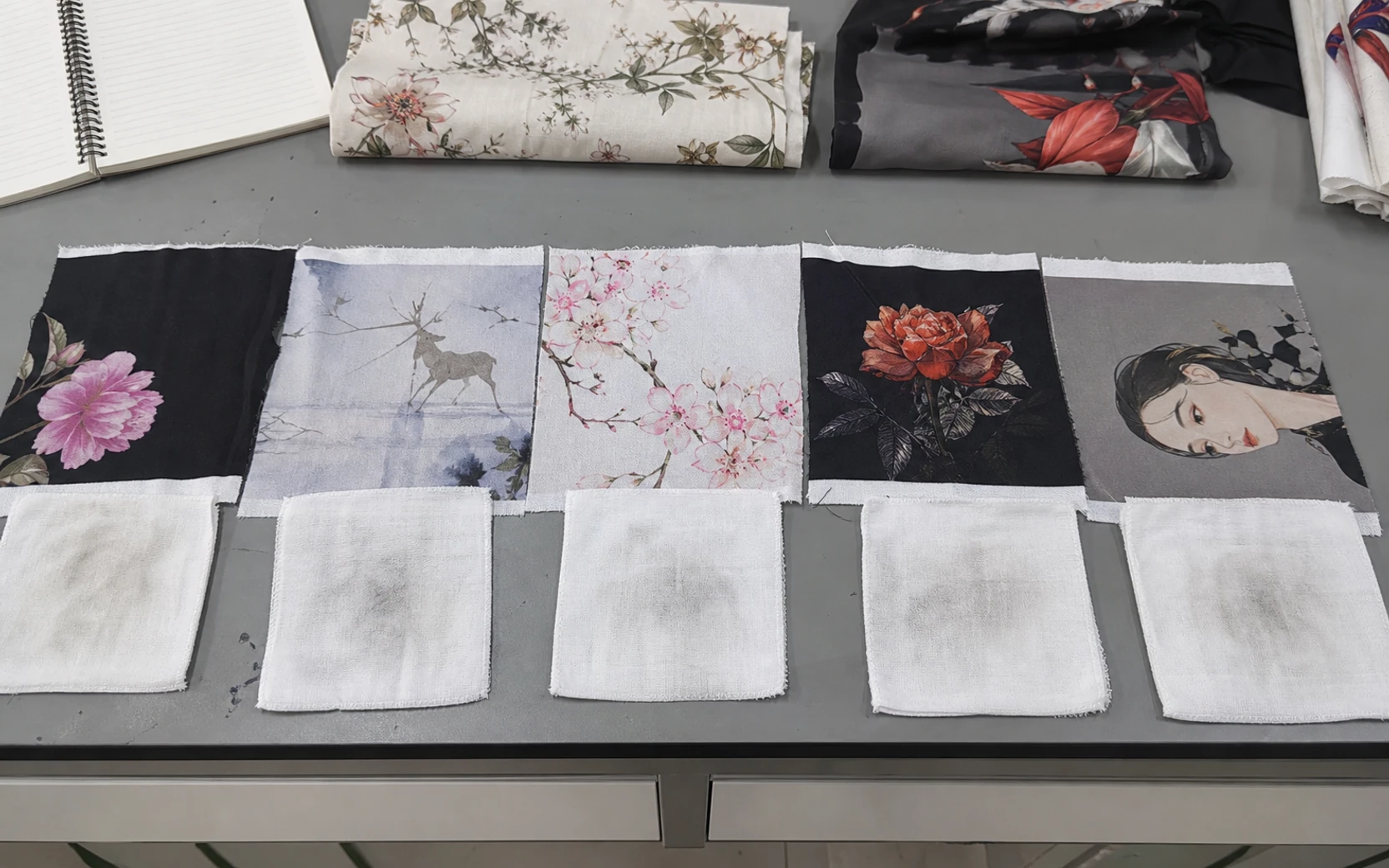
A photo can show visible build but cannot prove hand feel. Approve feel on a physical sample.
Agree the wash and rub check before production rather than assigning a universal claim to the process name.
Visible Build
White underbase, coverage and ink system change what the buyer sees.
Physical Feel
Approve it on the real sample rather than from a method label or photo.
Care Result
Use the agreed care method and relevant wash or rub check for the project.
- Digital textile systems balance hand, colour and fastness through the ink, textile, pretreatment and post-treatment combination.
- Pretreatment and fixation affect white coverage and washability in garment printing.
- AATCC and ISO methods define laundering and dry or wet rubbing colour-transfer checks.
FAILURE CLINIC
The Defect Usually Points to a Process Variable
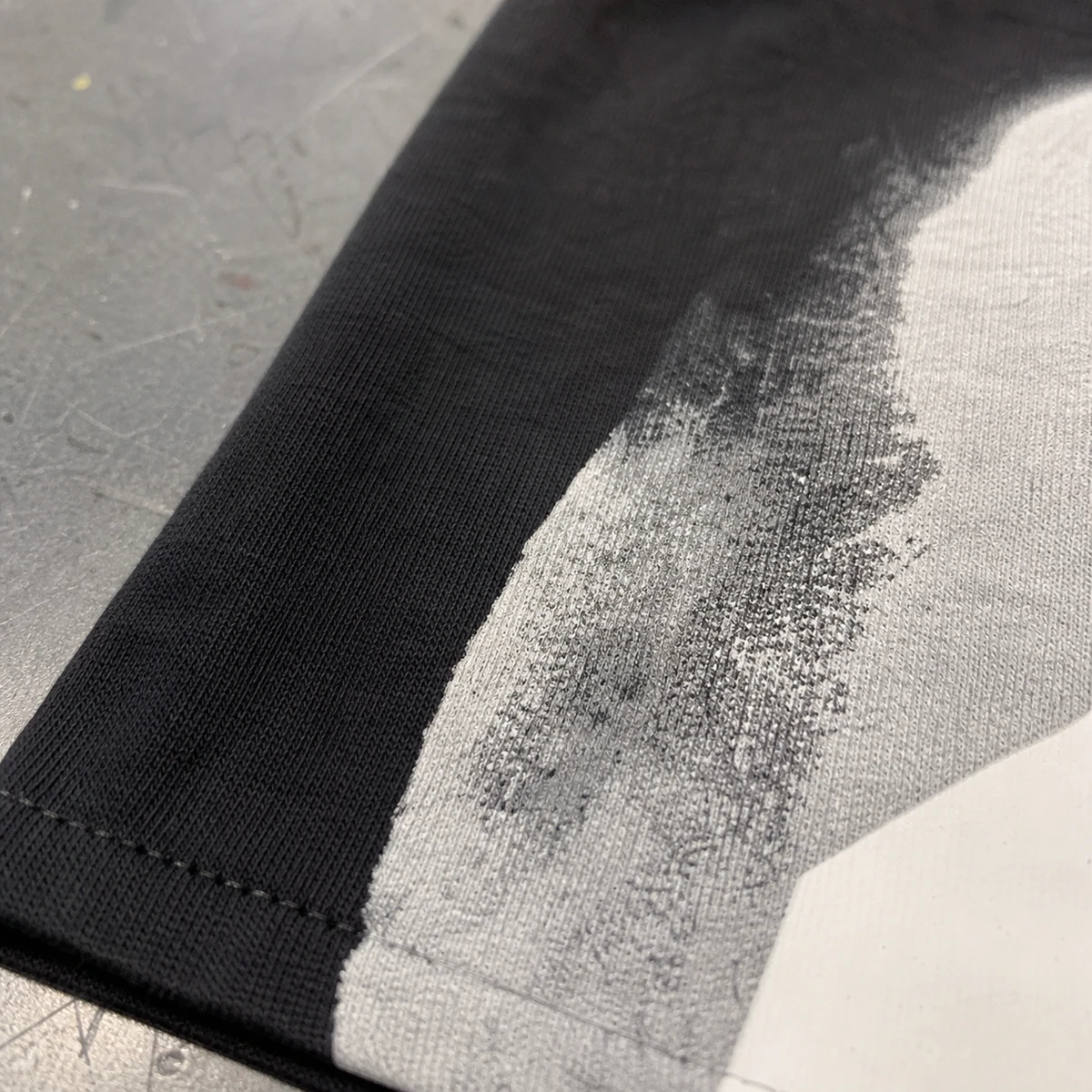
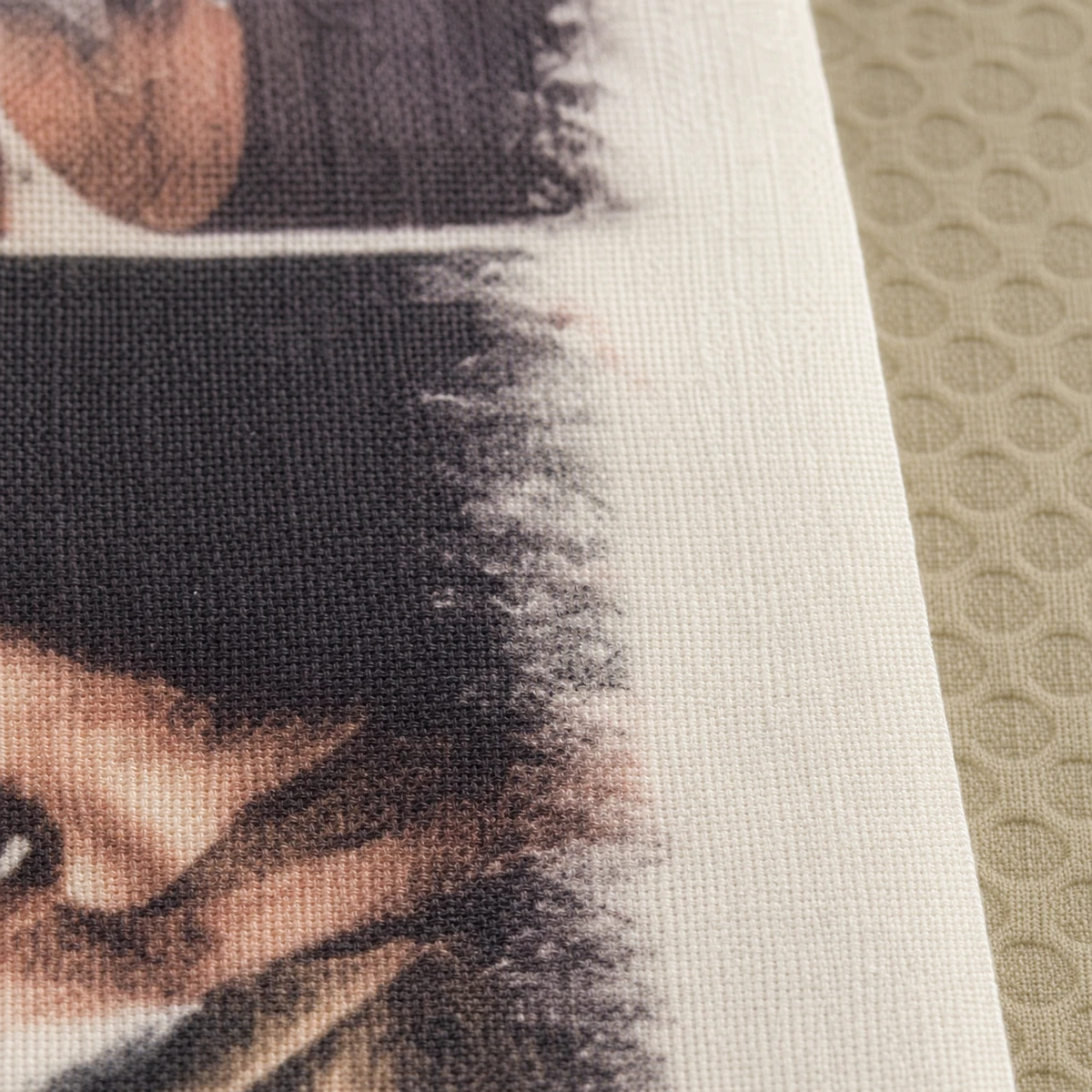
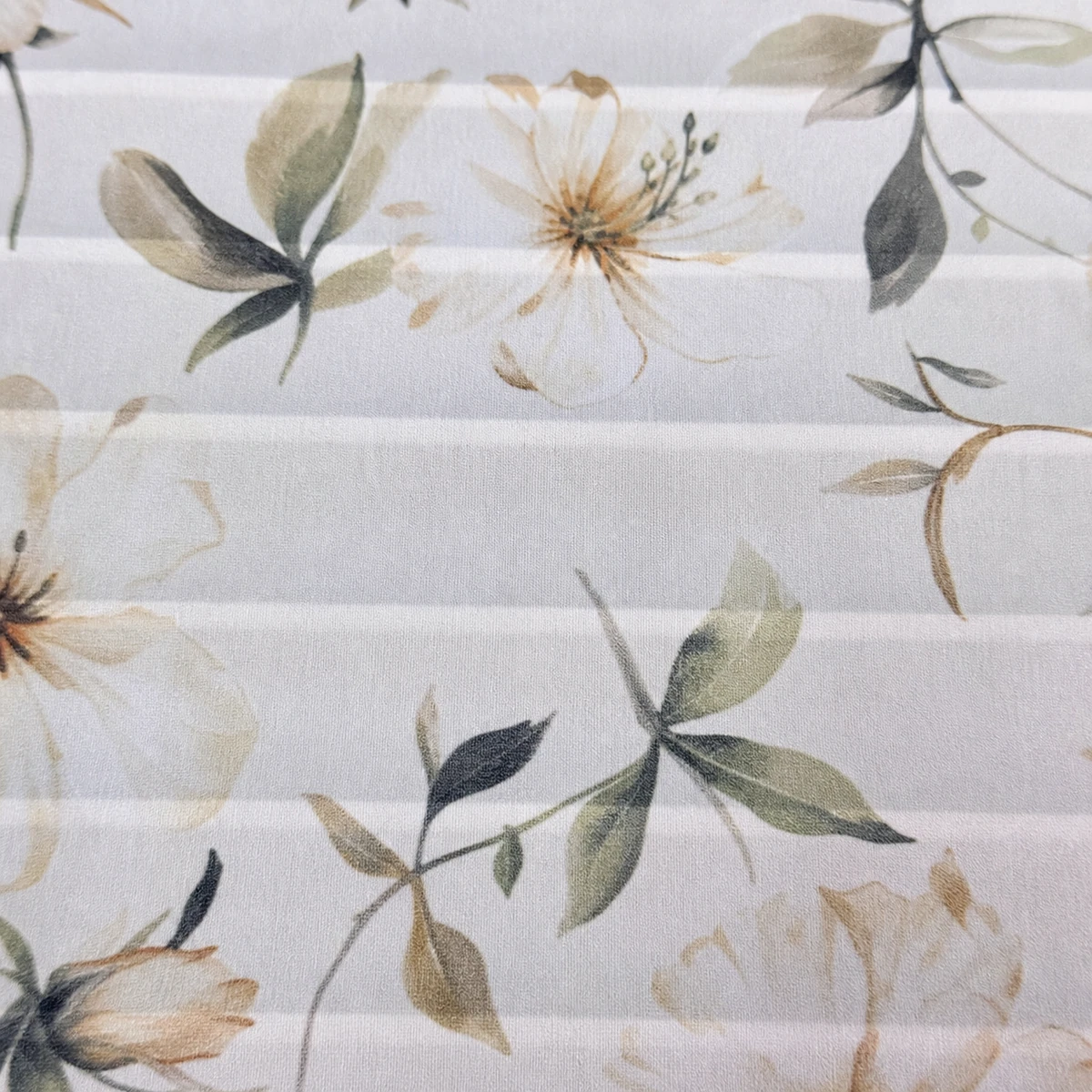
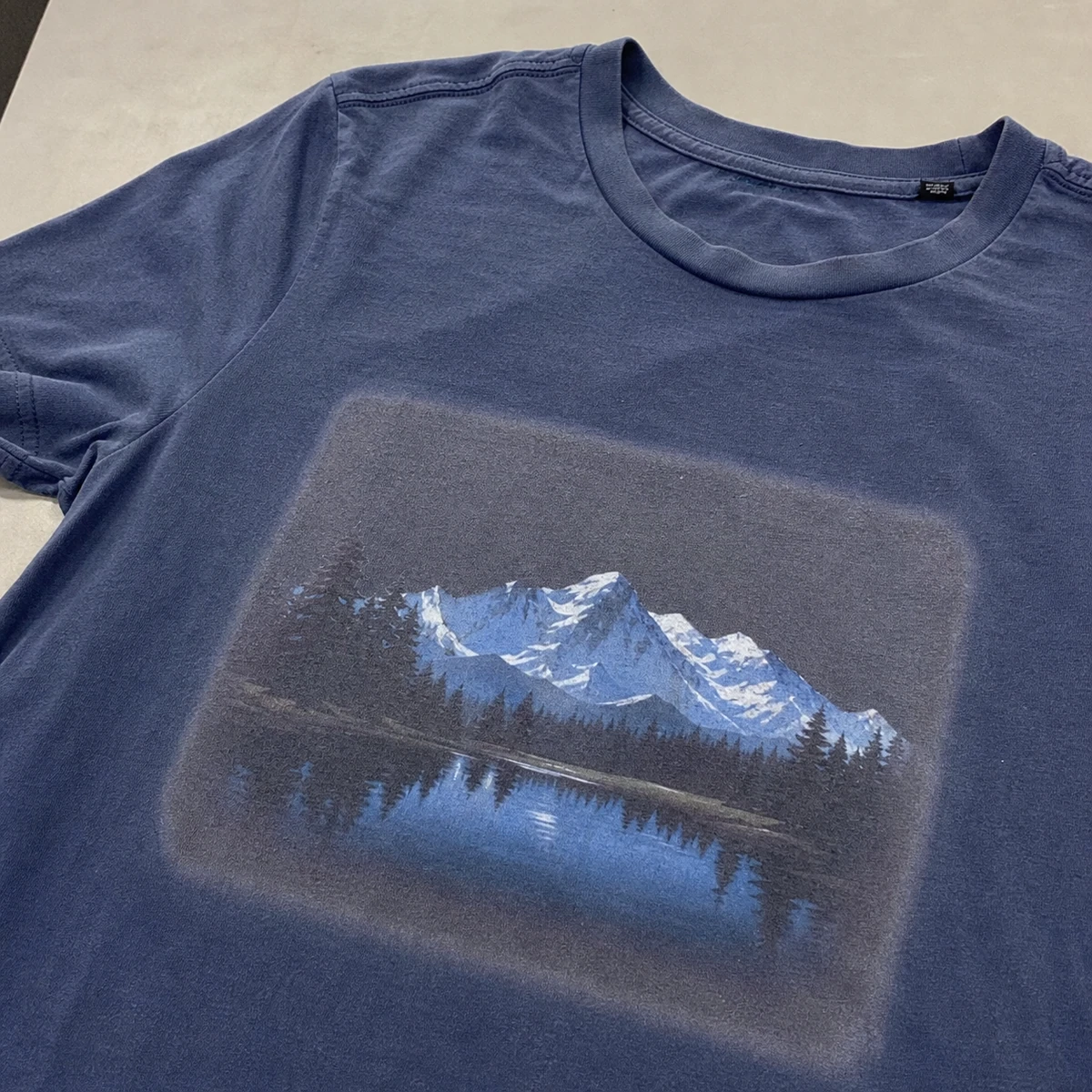
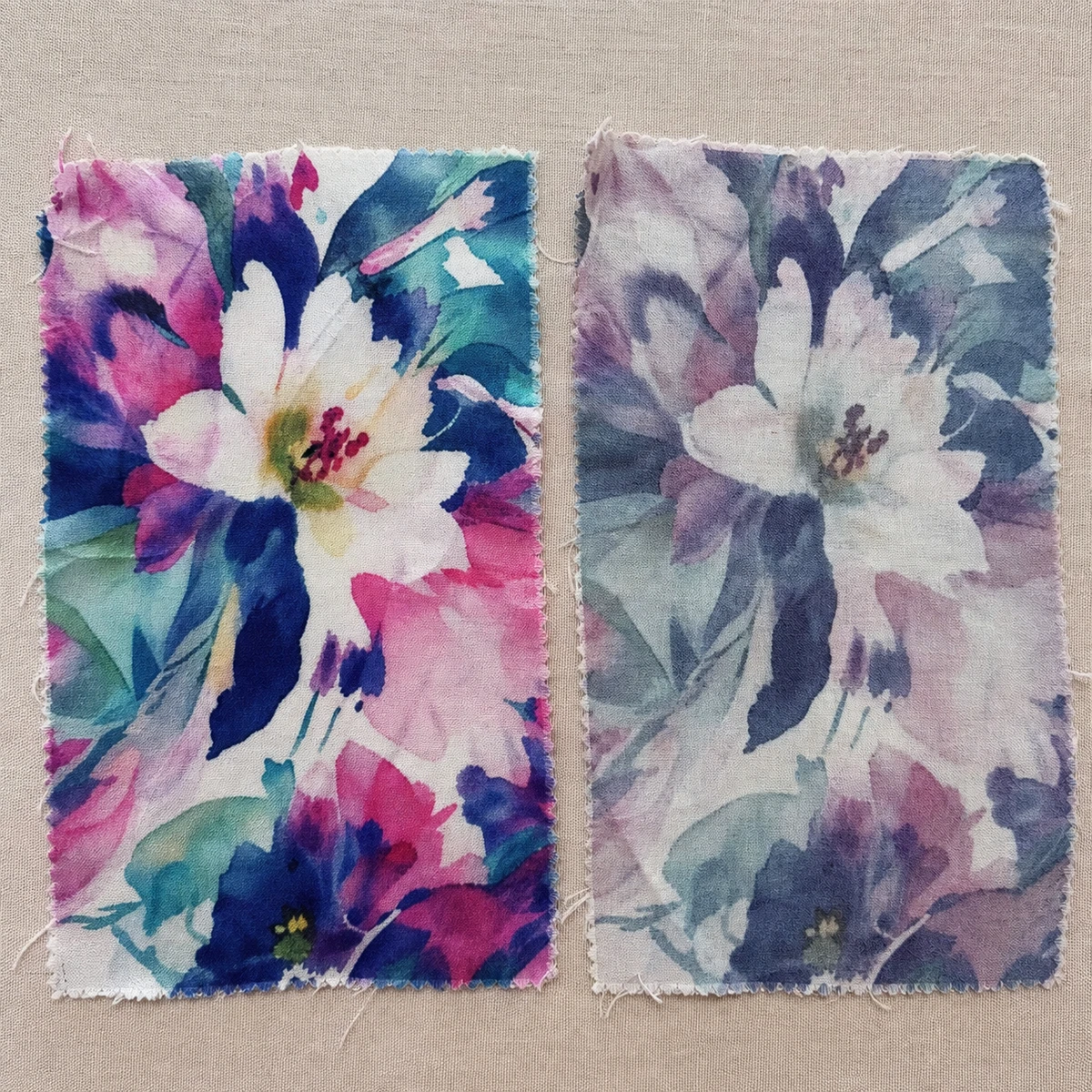
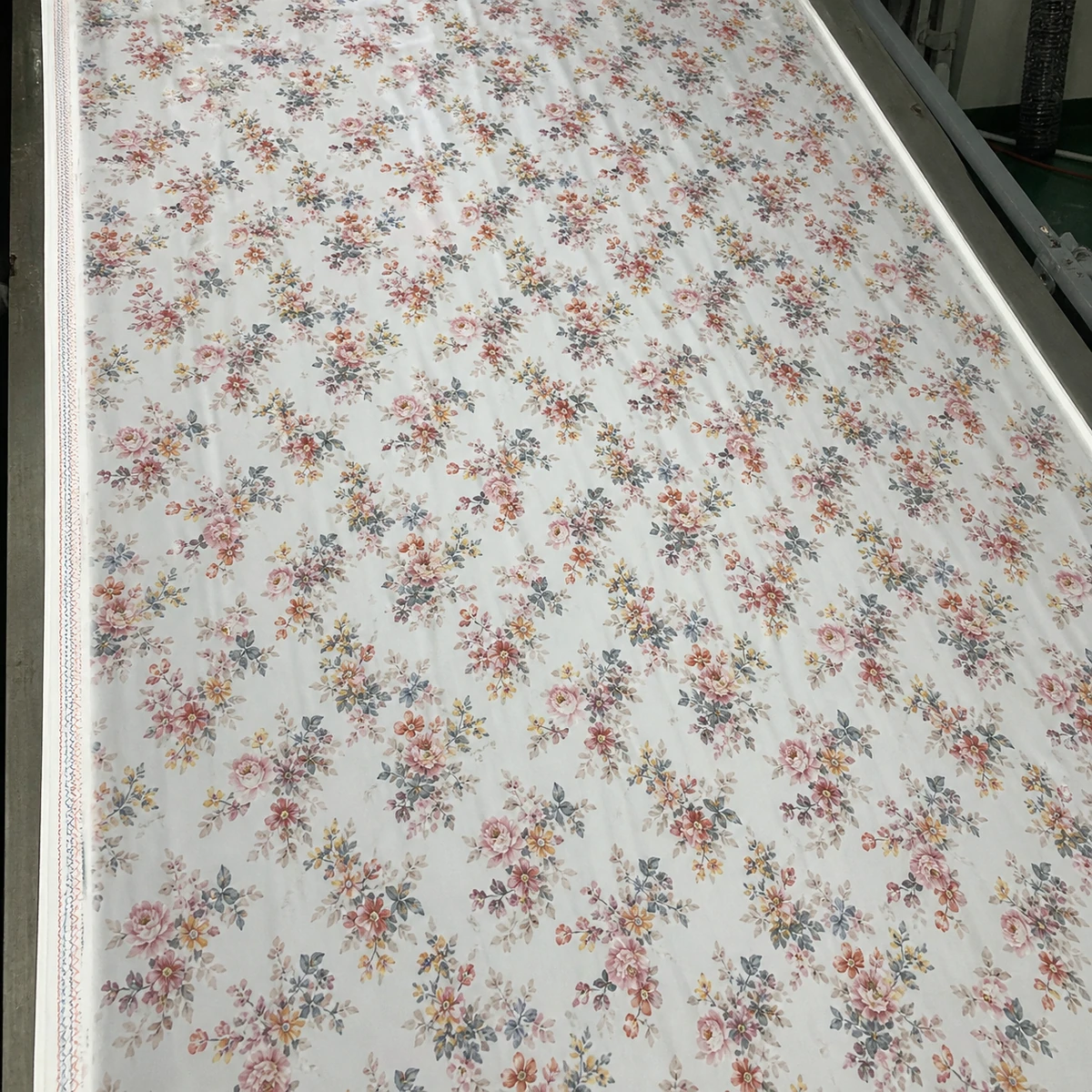
Do not solve every problem by adding more ink. Start with the visible symptom.
Re-check the actual material and route before changing a production setting.
Dull White or Colour
Review pretreatment coverage, fabric absorption and white-underbase settings.
Fuzzy Edges
Review surface fibres, artwork resolution and platen distance.
Banding
Review nozzle condition, head alignment and media height.
Pretreatment Marks
Review application, concentration, drying and pressing.
Poor Wash Response
Review fixation, ink/fibre match, pretreatment and care method.
Fabric Skew
Review preparation, feed, repeat control and the cut-and-sew hand-off.
- Lint, standing fibres and image resolution affect print clarity.
- Nozzle condition, platen height, pretreatment and monitor-to-print differences can affect output quality.
- Pretreatment can leave visible traces or yellowing on a garment if it is not controlled.
BEFORE BULK PRODUCTION
Approve the Actual Construction
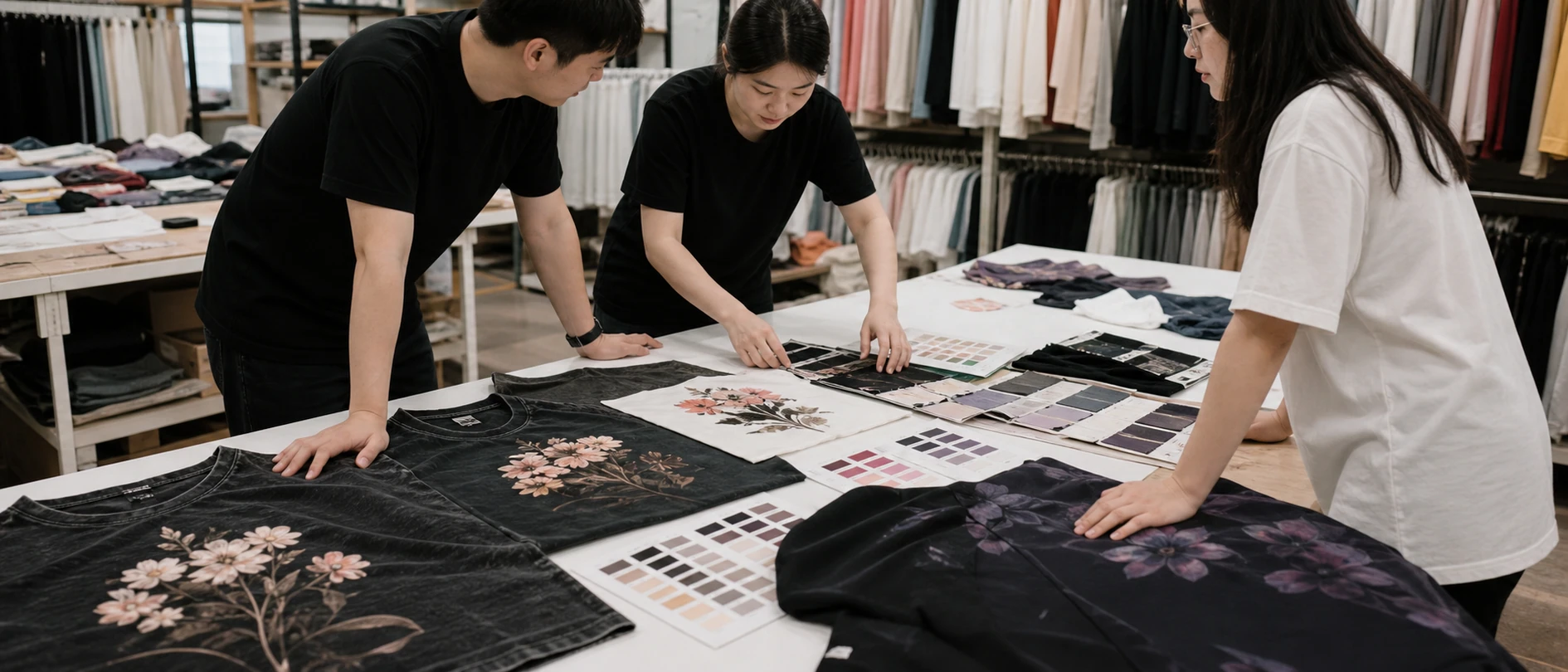
Artwork approval is not print approval. Check the real garment or fabric after fixation and the agreed care test.
Record the approved route, material, artwork and visible acceptance points.
Colour and Detail
Approve the intended artwork on the production material and base colour.
Placement and Surface
Approve dimensions, registration, visible build and physical hand feel.
Care and Release
Agree the relevant check, then lock the route and production record.
- AATCC TM61 evaluates accelerated laundering, while AATCC TM8 and ISO 105-X12 cover rubbing colour transfer.
QUANTITY AND COST
Order MOQ and Print Economics Are Different Decisions
Our usual order MOQ is 100 pieces per style per colour. The material or a specific style may change it.
The economical print route is reviewed separately from that garment-order baseline.
Digital Is Worth Reviewing
Samples, short runs, gradients, many colours or several artwork versions.
Compare Another Route
Stable repeat volume, few solid colours, incompatible fabric or a heat-transfer/sublimation requirement.
- Canton Fashion's usual order MOQ is 100 pieces per style per colour; material or a specific style may change it.
- Digital textile systems can serve short runs and samples, while screen printing's colour-specific setup is commonly compared for stable repeat volume.
COMPARE THE ROUTE
Digital, Screen, Transfer or Sublimation?
Direct-to-textile is a print stage. Sublimation is a polyester dye and heat-fixation route.
Choose the next page by the material, artwork, surface and production risk rather than by a generic method name.
Digital
Inkjet directly onto a garment, fabric or panel; match fibre, preparation and fixation.
Screen
Ink through separate screens; review separations, solid colour, ink layer and cure.
Transfer
Prepare a film or transfer, then review press conditions, edge and visible surface.
Sublimation
Use a polyester route; review colour, ghosting, panel alignment and heat response.
- Digital garment and fabric routes differ from screen printing in image delivery and colour-specific setup.
- DTF prepares a film with adhesive powder before cure and heat application.
- Sublimation uses a polyester-focused transfer or direct-print route followed by heat fixation.
PRACTICAL QUESTIONS
Digital Printing FAQ
Short answers stay conditional where the fabric, route or sample still controls the result.
The FAQ does not substitute for approval on the actual material.
Is it the same as DTG?01
DTG is one finished-garment branch under the broader digital-printing discussion.
Is DTG the same as DTF?02
No. DTF prints film first and then applies the prepared image with heat.
Can it print polyester?03
Review the specific polyester route and material; a sublimation route may be more relevant.
What is the MOQ?04
Usually 100 pieces per style per colour; material or a specific style may change it.
- DTG and DTF are distinct workflows, and DTF uses a specialty film and heat application process.
- Dark garment white-ink work, polyester routes, wash/rub checks and file preparation each require their own material and process conditions.
- The usual Canton Fashion order MOQ is 100 pieces per style per colour, subject to material or style variation.
PROJECT REVIEW
Send the Garment, Fabric and Artwork
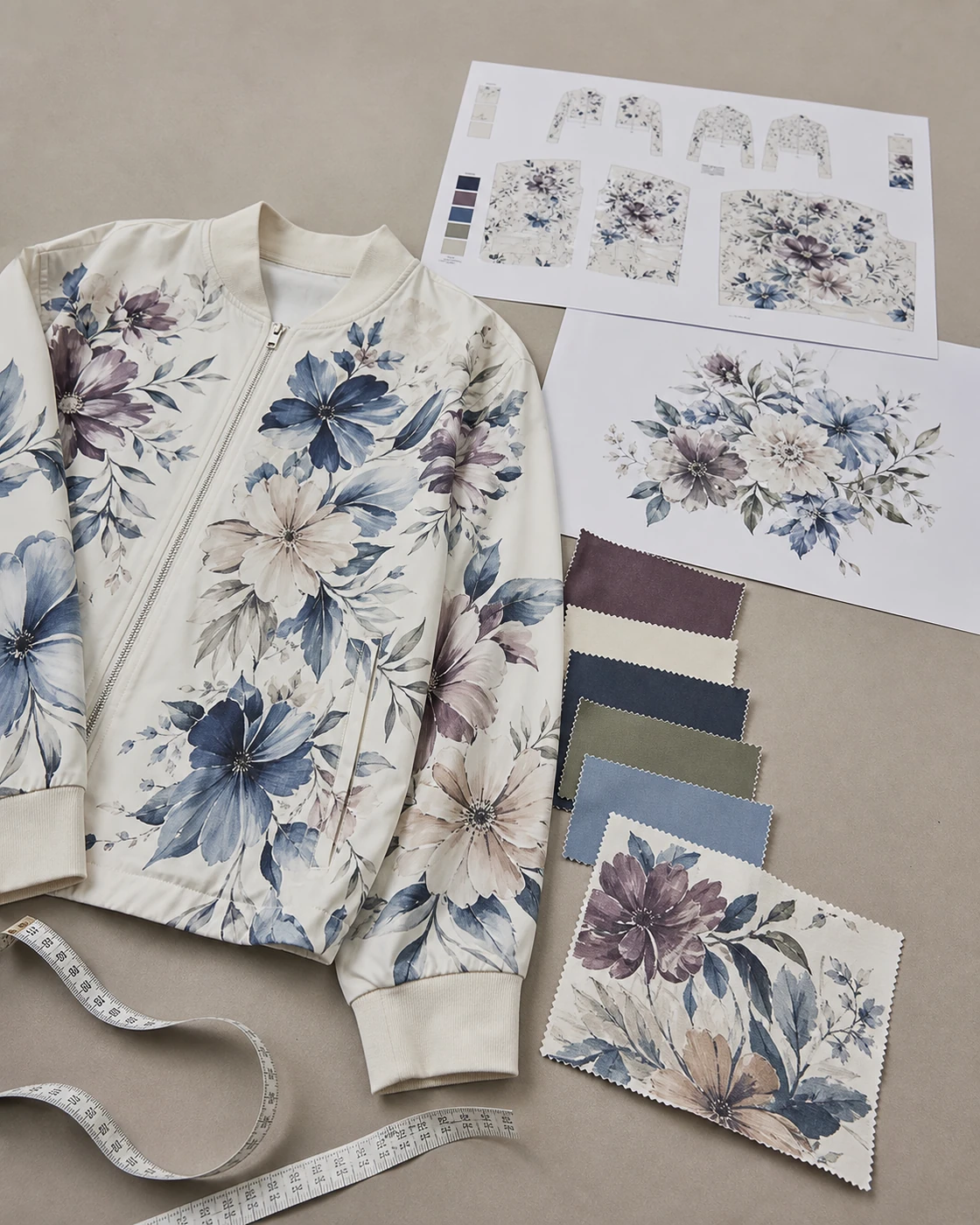
We first confirm whether the project needs DTG, direct-to-fabric printing or another route.
The sample is approved on the actual material before bulk production.
Print Stage
Tell us whether the project starts with a finished garment, fabric or cut panels.
Material and Artwork
Send fibre, base colour, artwork, size, placement and desired visible surface.
Quantity and Delivery
Give quantity by design and colour, delivery country, target date and contact details.